Seville
★ 4.8🇪🇸 SevilleSuggested visit 1 dayBest season March to May and October to November, with pleasant weather
Historic siteReligious siteArchitecture
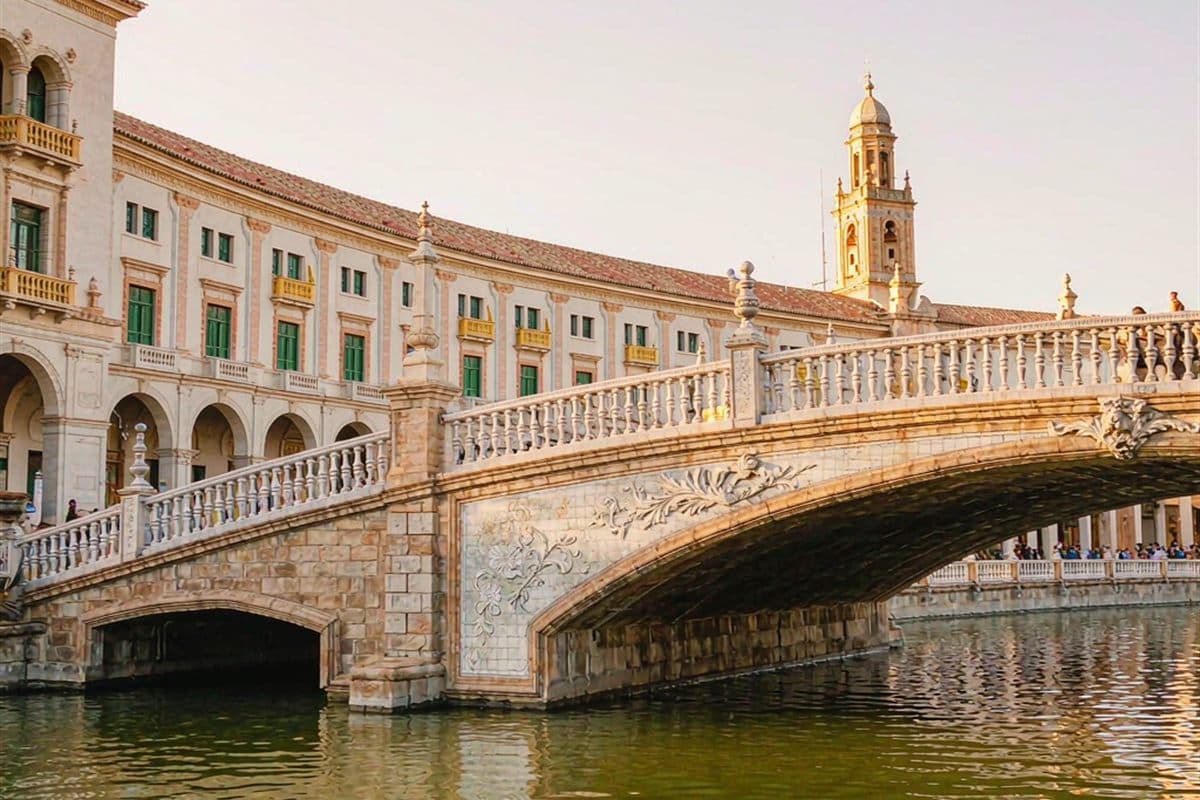
The Andalusian capital, pairing the largest Gothic cathedral with a Moorish revival plaza.
Overview
Built between the 15th and 16th centuries, Seville Cathedral is the largest Gothic church in the world; its Giralda bell tower began life as a minaret and can be spiralled to the top for city views, and Columbus is buried inside. To the south, the semicircular Plaza de España is famous for its tiled alcoves for each province, its canal and arched bridges — the city's most photographed scene.
History
The cathedral replaced a 12th-century Almohad mosque converted after the 1248 reconquest and was rebuilt in Gothic form from the 15th century; the plaza was built for the 1929 Ibero-American Exposition.
Highlights
- •The view from the Giralda
- •The tomb of Columbus
- •The tiled alcoves of Plaza de España
- •The Alcázar and its orange courtyards
Practical tips
- •Book the cathedral and Alcázar ahead
- •Summer highs top 40°C — avoid midday outdoors
Practical information
- Best time
- March-May, October-November
- Tickets
- Cathedral about EUR 12; the plaza is free
- Opening hours
- Cathedral 11:00-17:00; plaza open all day
- Local food
- Jamón ibérico, pescaíto frito, orange wine
- Getting around
- About 2.5 hours by high-speed train from Madrid.
- Visa
- A Schengen visa is required; apply about one month in advance.
Traveller reviews
…